Culture
The Evolution of Diversity & Representation in Modeling
December 24, 2025 · 6 min read
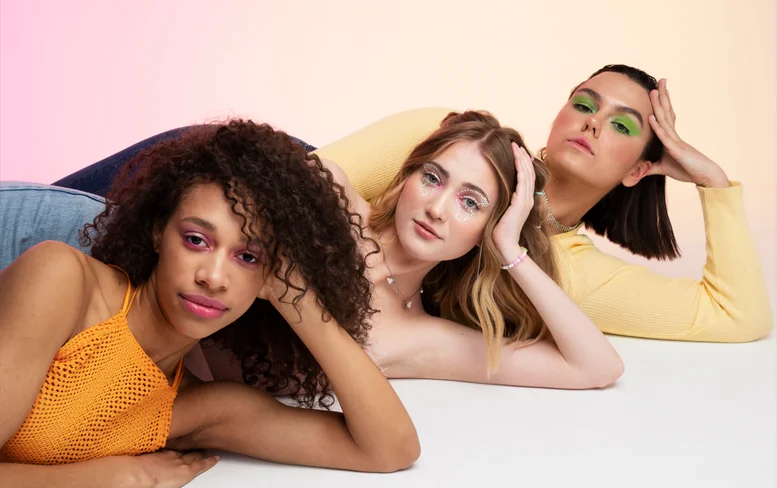
For decades, the modeling industry was defined by a narrow and often exclusionary standard of beauty. However, we are currently witnessing a profound cultural shift where diversity and representation have moved from being "trends" to becoming the fundamental pillars of the modern fashion landscape. The industry is undergoing a necessary expansion, moving toward a future that mirrors the rich complexity of the real world.
Redefining the Standard
The most visible change is the broadening of aesthetic standards. Brands are increasingly moving away from the "one-size-fits-all" approach, choosing instead to celebrate a wider spectrum of ages, body types, ethnicities, and gender identities. This shift is not merely about optics; it is a response to a global audience that demands to see itself reflected in the media it consumes. From the rise of "silver" models challenging ageism to the long-overdue inclusion of disabled talent and gender-nonconforming individuals, the "standard" is being rewritten to prioritize authenticity over perfection.
The Power of Personal Narrative
In this new era, a model's value is no longer determined solely by their physical measurements. The industry is placing a premium on individuality and personal story. Casting directors are looking for talent with a unique "presence": models who bring their lived experiences, advocacy, and cultural heritage to the set. Authenticity matters: consumers can sense when diversity is performative, and brands that succeed are those that embrace a model's true self. Confidence, a model's ability to communicate a message or a feeling, is now just as important as how they wear the clothes. Social media has allowed models to speak directly to their followers, turning them into relatable figures rather than distant icons.
Challenges and the Path Forward
While the progress is undeniable, the journey toward true inclusivity is far from over. Significant challenges remain, particularly regarding representation behind the scenes, among photographers, stylists, and executives, and the need for consistent, year-round inclusion rather than seasonal tokenism. However, the shift toward real-world diversity is creating a more resilient and vibrant industry. By embracing talent that reflects the global population, brands are able to build deeper, more genuine connections with their audiences.
This evolution allows for a more democratic fashion world where talent, regardless of background or body type, has the space to thrive. As individuality becomes a superpower, the future of modeling looks less like a closed gallery and more like an open, inclusive conversation.