Fashion
The Pulse of Change: Fashion Evolution & The Modern Model
December 24, 2025 · 6 min read
Fashion has never been a static industry; it is a living, breathing reflection of our cultural climate. Today, we are witnessing a Fashion Evolution that is defined by a fascinating paradox: the simultaneous embrace of nostalgic revivalism and cutting-edge, futuristic design. As trends shift from the structured minimalism of the past to the bold, eclectic "maximalism" of the present, the role of the model has transformed from a passive "clothes horse" into a dynamic visual storyteller.
The Intersection of Past and Future
Current trends are heavily influenced by nostalgia, specifically the resurgence of 90s grunge, Y2K aesthetics, and 70s bohemian silhouettes. However, these are not mere copies of the past; they are being reimagined through modern design lenses: sustainable fabrics, 3D-printed accessories, and gender-fluid tailoring. This blend creates a "high-contrast" visual language. For a model, this means the ability to switch "modes": moving from the sharp, architectural poses required for avant-garde tech-wear to the relaxed, emotive energy of vintage-inspired streetwear.
From Presentation to Performance
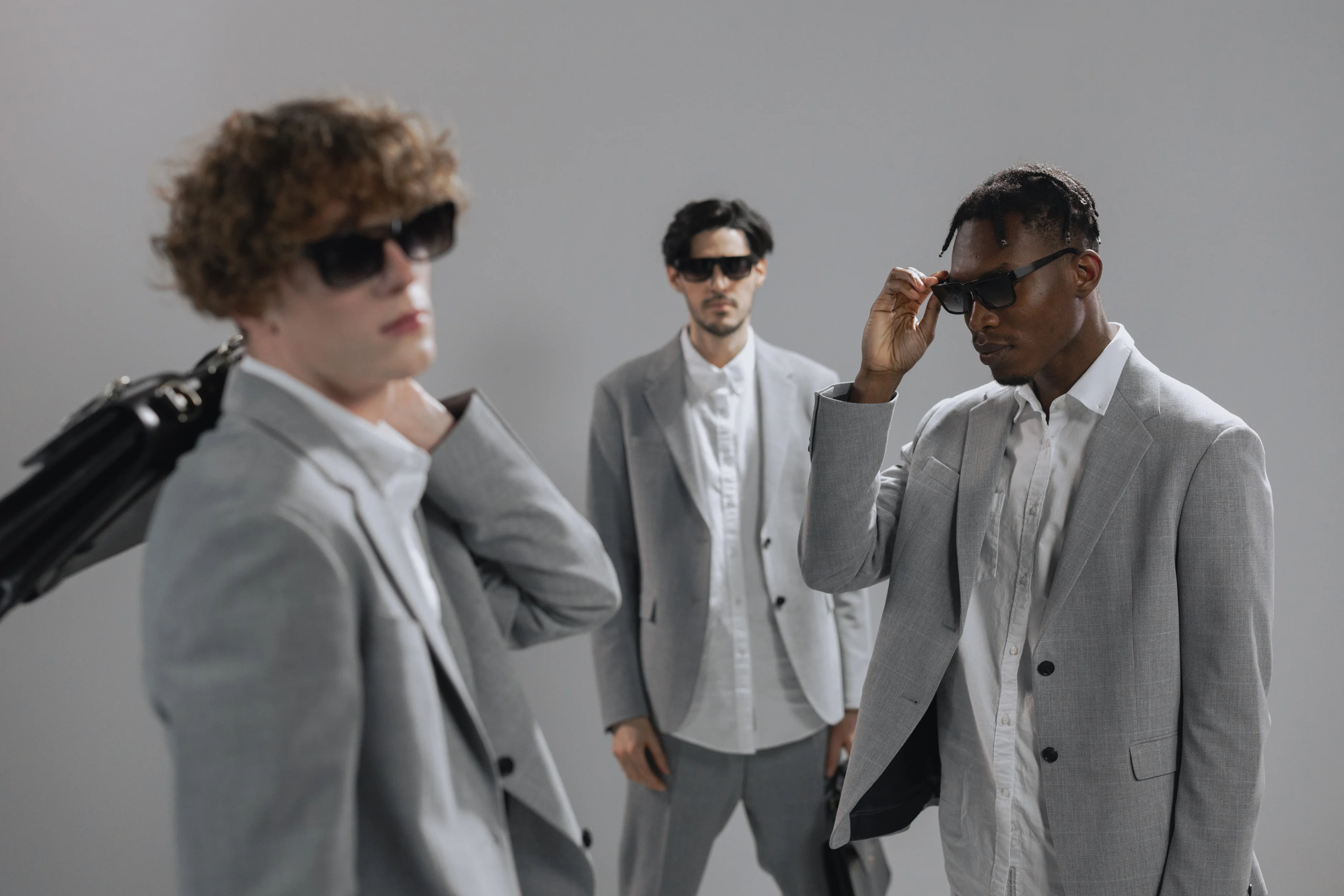
The most significant shift in this evolution is the demand for personality and movement. In the traditional era, models were often directed to remain "blank canvases" to avoid distracting from the garment. Today, the garment is seen as part of a larger visual narrative. Designers now look for models who can convey a specific mood (rebellion, joy, or stoicism) through their facial expressions and "eye-work." With the rise of video-first platforms and digital runways, the way a model moves is as important as how they stand. Posing has become more fluid and athletic, requiring models to have a deep understanding of their body's geometry.
Translating Trends for the Audience
Models act as the vital bridge between a designer's abstract vision and the consumer's reality. As fashion pushes creative boundaries, models are the ones who humanize the trend. They translate complex concepts into something aspirational yet relatable. Whether it is a high-fashion campaign for a luxury house or a viral social media look, the model's ability to inject their own unique character into the clothes is what ultimately inspires and engages the audience.
In this era of rapid evolution, the most successful models are those who view themselves as creative collaborators. They don't just "wear" the fashion; they interpret it, bringing trends to life through a powerful combination of movement, emotion, and authentic self-expression.